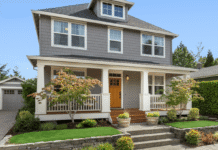

Beautiful homes often contain features that impress buyers and guests. Large windows flood rooms with light. Stone fireplaces anchor living spaces. Chandeliers signal craftsmanship and scale. Yet these features introduce risks while selling your home — specifically, a more complex relocation that many homeowners do not anticipate. From the first planning call to the final unload, you can expect many factors to influence timing, labor, and the hidden cost of home features. In many cases, moving logistics becomes more complex because these elements resist standard handling and demand special preparation.
Moving Quickly With Oversized Home Features
Speed magnifies risk when large features are involved. Tight timelines reduce inspection time. Measurements receive less verification. Crews feel pressure to proceed before conditions feel secure.
In fast relocations, moving in a rush often raises anxiety, yet understanding how to stay calm helps preserve focus and reduce mistakes during critical handling steps. Calm crews communicate better. Clear roles prevent overlap. Structured pacing protects fragile elements.
Checklists guide the sequence. Buffer time allows corrections. Delaying one task often prevents larger losses later. Moving fast does not require rushing. It requires control.
Oversized Windows and Glass Installations
Oversized windows combine mass and fragility in ways that challenge movers. Large panes distribute weight unevenly, which increases stress at contact points. Glass tolerates little flex, so even slight pressure causes cracking. Custom dimensions also complicate replacement, making potential damage a huge hidden cost of home features.
Removal requires slow and deliberate steps. Frames often connect tightly to surrounding structures. Crews must loosen fasteners without twisting the Glass. Crates need exact sizing to prevent movement. Padding protects surfaces but adds volume, which affects truck space.
Transport paths also present limits. Hallways restrict turning angles. Staircases reduce clearance. Elevators impose weight caps. Exterior exits may require temporary removal of trim or doors. Each adjustment consumes time and raises exposure to accidents during loading.
Fireplaces and Built-In Stone Features
Fireplaces introduce a different set of constraints. Stone, brick, and concrete add extreme density. Many units bond to walls or floors, which makes removal risky. Cracks form easily when force concentrates at one point. Some fireplaces cannot move at all and must remain protected in place.
Even when left behind, these important features influence the move. Heavy hearths reduce the floor load capacity nearby. Movers must route other items around them with care. Vibrations during transport can loosen stone joints if nearby items shift.
Protective barriers become necessary. Crews cover stone edges and adjacent flooring. Weight assessments guide how many movers work in one zone. These decisions affect scheduling and crew allocation. As a result, moving logistics must adapt to the physical limits imposed by fixed masonry.
Chandeliers and Heavy Decorative Fixtures
Chandeliers combine height, imbalance, and fragility. Many hang from ceilings far above reach. Removal requires ladders or lifts and precise coordination. Wiring connections must be labeled to avoid confusion during reinstallation.
Crystal elements swing freely unless restrained. Poor packing leads to internal collisions that shatter pieces. Some fixtures exceed standard crate dimensions and require custom containers. Others need partial disassembly, which increases handling time.
Reinstallation adds further complexity. Each arm, chain, and ornament must return to its position. Missing parts delay setup. Damage may remain hidden until the lights power on. These risks demand patience and methodical work.
How Specialized Features Increase Moving Costs
Specialized features increase costs through multiple channels. Labor expenses rise due to longer handling times. Additional movers balance weight and reduce strain. Equipment such as lifts, braces, and rigging tools adds fees. Custom crates require materials and skilled construction.
Insurance costs also increase. High-value items raise liability exposure. Coverage limits may change. Claims processes extend timelines if damage occurs. Delays can also be a hidden cost of home features. Missed delivery windows force rescheduling. Temporary storage becomes necessary.
These outcomes connect to one source. Features that resist standard handling disrupt schedules and plans. As complexity rises, moving logistics absorb pressure that would not exist in a simpler home.
Planning to Reduce Damage and Stress
Early planning creates stability. Measurements should occur weeks in advance. Photos document the current condition. Notes describe attachment points and materials. Movers rely on this information to plan routes and equipment.
Permits may apply for removals or exterior lifts. Building managers often require notice. Ignoring these steps causes last-minute delays. Communication between the homeowner and movers remains essential.
Clear explanations prevent assumptions. Homeowners should identify items that cannot tilt or rotate. Movers should outline limits and alternatives. When expectations align, moving logistics stay predictable and stress decreases.
When Professional Movers Are Essential
Certain features exceed safe DIY limits. Weight alone presents danger. Improper lifting causes injury. Lack of tools increases damage risk. Professional movers train for these scenarios and work within defined safety margins.
Specialty movers handle glass, stone, and fixtures regularly. They understand balance points and stress paths. Their coordination reduces vibration and impact. In many cases, professional service costs less than repairing avoidable damage.
Experience also shortens recovery time. Professionals resolve issues without panic. Their presence stabilizes complex moves and protects both property and people.
What This Means
When you’re dealing with moving and “statement” pieces, you’re at risk of the hidden cost of home features. At the end of the day, you need to recognize when it’s time for a professional to step in and minimize risk. With decent insurance and moving specialists, you can do just that. Chalk up the additional expenses to the cost of moving and accept that. Otherwise, you risk much higher costs if some of your valuables get irreparably damaged. Design choices shape more than visual appeal. They affect safety, timing, and cost during relocation. Oversized windows, fireplaces, and chandeliers demand planning beyond standard moves. Homeowners who prepare early reduce damage and stress. Clear awareness of moving logistics supports better decisions and leads to safer outcomes for every stage of the move.